No second oven
One deck, one bake at a time. It is why the board has times against it and why a late morning is a thin morning.
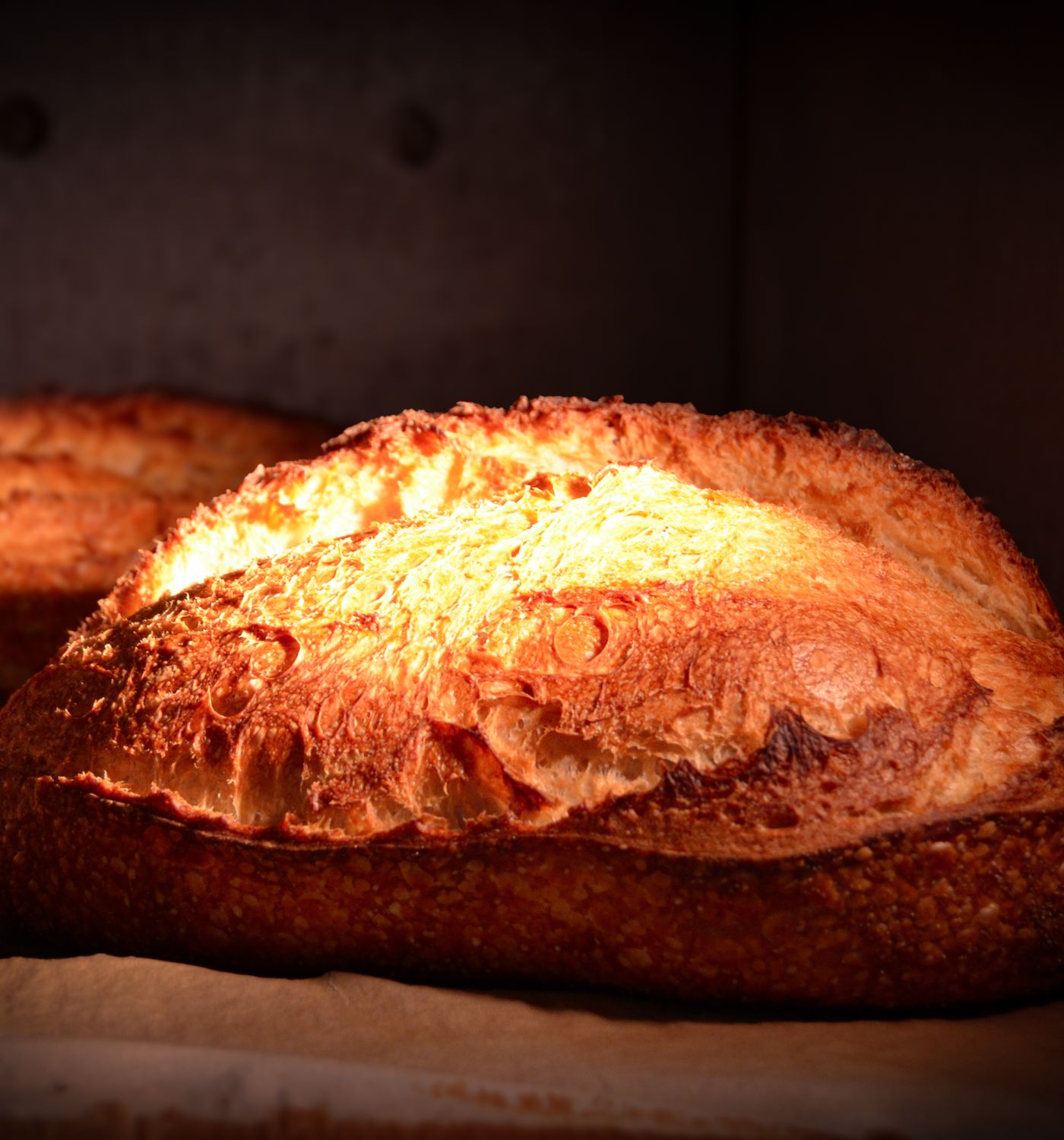
Nothing here is quick. The leaven is fed the afternoon before, the dough rests eighteen hours in the cold, and the oven is lit at four so that the first country loaves are cool enough to cut by seven.
It is the same sequence every baking day, and the clock in the bakehouse runs about nineteen hours ahead of the one on the counter.
Mid-afternoon, the day before. The same culture the bakehouse opened with, kept on Carr's wholemeal and kept hungry.
Early evening. Flour, water, salt, leaven. No improvers, no commercial yeast, no oil in anything but the focaccia.
Eighteen hours in the cold room. Slow fermentation is where the sourness comes from, and where the crumb learns to hold its holes.
From four in the morning, one loaf at a time, by hand. Two of us, a bench knife and a stack of linen-lined baskets.
The fire is lit at four and the deck is loaded at six. Loaves go straight onto the stone floor, scored, with a shovel of steam behind them.
An hour on the rack. A loaf cut hot is a loaf wasted, so nothing reaches the shelf until it has stopped singing.
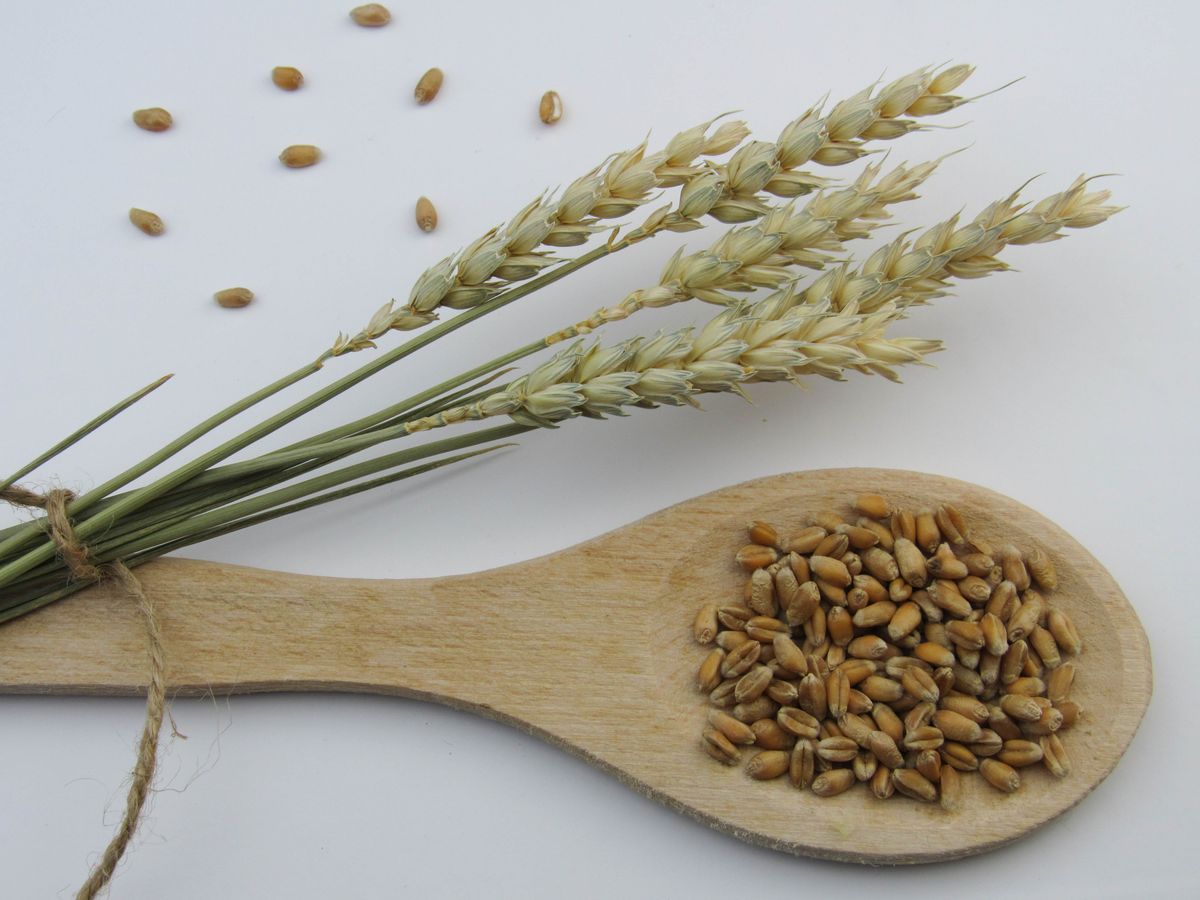
Our white and wholemeal come from Carr's mill on the Solway, which has been grinding wheat within sight of the sea since long before any of this was fashionable. Buying from forty miles away rather than four hundred is not a slogan — it means we can ring the mill about a bad sack and have an answer the same day.
The rye is stoneground and the spelt comes in small quantities, because that is how much of each we can get through before it loses its freshness.
Everything on the board has to fit through the same door, in the same order, on the same morning.
A deck oven holds what it holds. The country loaves go in first while the stone is at its fiercest, the rye and spelt follow as it falls back, the buns go in at the tail of the heat and the focaccia takes the last of it. That order is not a style decision — it is the only way a single oven can produce a shelf.
A small bakehouse is defined as much by what it leaves out. These are the questions we are asked most, answered once.
One deck, one bake at a time. It is why the board has times against it and why a late morning is a thin morning.
We have no van and no courier. Everything is collected from the counter at 14 Lake Road, which keeps the bread an hour old rather than a day.
Whatever is left at closing goes to the two of us, the neighbours and the dog. Nothing is sold the next morning.
The full board, the walkers' lunches and the Saturday bakes are all on one page. Or ring and we will put a loaf by.